How to set up youth banking with UBT


No matter if you’ve already created your child’s youth banking account or are still weighing your options, you likely have questions about how to set up and manage your child’s account. There are lots of things to consider with accounts like these, and our team is here to help ensure your child can practice their money skills safely and effectively. Below, take a look at some common questions and answers about managing your child’s bank account.
What youth banking accounts are available for my child?
Our Simply Free Student checking account and Simply Savings Student account can be used individually or in tandem as great places to start your child’s financial journey. These accounts are open to ages 25 and under and provide features tailored to create a forgiving learning experience for first-time account holders.
How can I open an account for my child?
The easiest and quickest way to open your child’s account is online using the links above. You can also open accounts at your local branch, which provides the benefit of talking with a trusted, friendly banker through each step. With either option, we recommend involving your child as much as possible in the process and talking through it with them as you go.
What can I expect when opening an account online?
Youth accounts can be opened online for children ages 1 and up. When you open a youth account online, you’ll start the process using your information and then be asked for your child’s. If you are an existing customer, you’ll need your UBTgo credentials to start the application, then you’ll confirm your information before entering your child’s information.
If you are a new customer, you’ll need to set up a UBT profile before starting the application process. You’ll need your Social Security number and government-issued ID, and you’ll need your kid’s Social Security number as well. Note: You may be asked for proof of address.
What email/phone number should I use for my child’s account?
Your child will need to have a unique email if you’d like them to have their own UBTgo credentials. They do not need to have a unique phone number, so they can use your phone number if they don’t have a phone.
Should my child have UBTgo credentials?
Since you know your child and your family best, we’ll leave that decision up to you. If your child is not ready for their own UBTgo access, then you can use your UBTgo connection to guide their experience, provide appropriate oversight, and help them learn how to use UBTgo in a safe and responsible way.
When your family decides that your child is ready for their own UBTgo credentials, you can enroll them in online banking by going to ubt.com and following these instructions.
We do not recommend sharing your personal credentials with your child, as that would give your child access to all of your account information.
How do I see my child’s account?
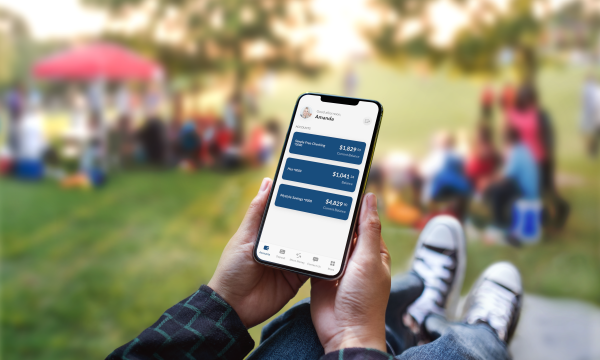
As a joint owner on your child’s account, the account will automatically appear in your UBTgo connection. Simply log into UBTgo to view and access the account. If you would also like your child’s debit card to appear in your UBTgo connection, you can manually add it in the debit card section of UBTgo. Step-by-step instructions are available here. Once added, you will have the ability to view debit card transactions as well as set up card controls and alerts.
We’re here to help
Youth checking accounts provide a prime opportunity to teach your child valuable banking lessons — and you might even learn a thing or two yourself! If you have any questions, contact our Customer Support team at 800.297.2837 or speak to a friendly banker at your local branch today.


Learning Center articles, guides, blogs, podcasts, and videos are for informational purposes only and are not an advertisement for a product or service. The accuracy and completeness is not guaranteed and does not constitute legal or tax advice. Please consult with your own tax, legal, and financial advisors.
